Last Minute Summer Safari Trips To Kenya
Why Kenya Is a Top Destination for Summer Safaris
Kenya is synonymous with safari adventures, iconic wildlife, and unforgettable landscapes. For travelers seeking last-minute summer trips, Kenya offers a unique combination of accessibility, biodiversity, and well-established safari infrastructure. Even without months of planning, it’s entirely feasible to arrange a safari that captures the essence of Africa’s wilderness.
One of the reasons Kenya is ideal for last-minute summer safaris is its climate. The summer months, typically from June to October, coincide with the dry season in many safari destinations. Dry conditions mean animals congregate around water sources, making wildlife spotting more predictable and rewarding. From towering elephants to stealthy big cats, the African bush reveals its treasures in ways that are both dramatic and easy for tourists to experience.
Accessibility is another factor. Major parks like Maasai Mara, Amboseli, and Tsavo are well-connected via domestic flights, paved roads, and reliable tour operators. This allows travelers to secure accommodations and safari guides on short notice, often within a day or two. Many lodges and tented camps even reserve last-minute rooms specifically for spontaneous travelers, recognizing the growing market for flexible adventure tourism.
Another advantage is Kenya’s variety of safari experiences. Whether you want classic game drives, walking safaris, hot-air balloon rides, or boat safaris, you can tailor your itinerary even if you’re booking late. This flexibility ensures that last-minute travelers don’t miss out on iconic experiences. It’s a perfect opportunity to combine wildlife, culture, and scenery into a condensed yet immersive trip, proving that sometimes the best adventures are the ones you decide to take on a whim.
The Perfect Climate for Wildlife Viewing
Summer in Kenya aligns with the dry season, which is ideal for safari enthusiasts. Sparse vegetation and lowered water levels mean that animals gather around rivers, lakes, and watering holes. This natural concentration makes it far easier to spot big game, including elephants, lions, cheetahs, and buffalo. For photographers, it’s an exceptional time to capture wildlife without obstructions from thick foliage.
The skies during this period are typically clear, with minimal rainfall and cooler mornings. This makes game drives more comfortable and increases the likelihood of dramatic sunrises and sunsets—perfect for capturing those quintessential African safari moments. Additionally, clear weather makes hot-air balloon rides over savannahs safer and more enjoyable, adding a unique perspective for last-minute visitors who want an aerial view of the landscape.
The summer months also offer pleasant temperatures across most safari destinations. While lowland areas like Tsavo can get quite warm during midday, the early mornings and evenings remain refreshing, ideal for game drives or guided walks. Highlands like Laikipia or Aberdare’s forested regions enjoy cooler temperatures, providing a comfortable balance to the hotter plains.
Accessibility and Infrastructure for Last-Minute Travelers
Kenya’s tourism infrastructure makes it surprisingly easy to organize a safari even with limited notice. Domestic flights connect Nairobi to major safari hubs such as Maasai Mara, Samburu, and Amboseli within 1–2 hours. This drastically reduces travel time and allows visitors to maximize their time in the parks.
Tour operators offer flexible packages, including day trips, 2-day mini-safaris, and luxury options. Many provide inclusive deals covering park entry, accommodations, meals, and guided game drives. Even for solo travelers or couples, last-minute bookings are possible, especially in the offseason or during mid-week stays when occupancy is lower.
Road accessibility is also excellent. Key parks are connected to Nairobi and other cities via well-maintained roads, making self-drive safaris a viable option. Whether you prefer a guided experience or want to explore at your own pace, the combination of infrastructure and flexibility ensures that even spontaneous trips can be smooth, safe, and highly enjoyable.
Maasai Mara National Reserve – The Ultimate Safari Experience
Few destinations in Kenya evoke the spirit of the African wilderness like Maasai Mara National Reserve. Renowned for its vast plains, abundant wildlife, and dramatic sunsets, Maasai Mara is the first choice for last-minute summer safaris. It spans approximately 1,510 square kilometers, hosting the “Big Five” – lions, leopards, elephants, buffalo, and rhinos – as well as cheetahs, hyenas, and countless herbivores.
Maasai Mara’s popularity is not just due to its wildlife but also its iconic landscapes. Rolling golden savannahs, dotted with acacia trees and winding rivers, provide stunning scenery for every visitor. Even a short safari of one or two days feels immersive, thanks to the high density of animals and accessible game-drive routes.
Wildlife Highlights and Migration Season
For travelers visiting between July and October, Maasai Mara offers a chance to witness the Great Wildebeest Migration, one of the most spectacular wildlife events on Earth. Millions of wildebeest, zebras, and gazelles move between Serengeti in Tanzania and Maasai Mara in search of fresh grazing grounds. This seasonal migration attracts predators, creating dramatic hunting scenes that are both thrilling and educational.
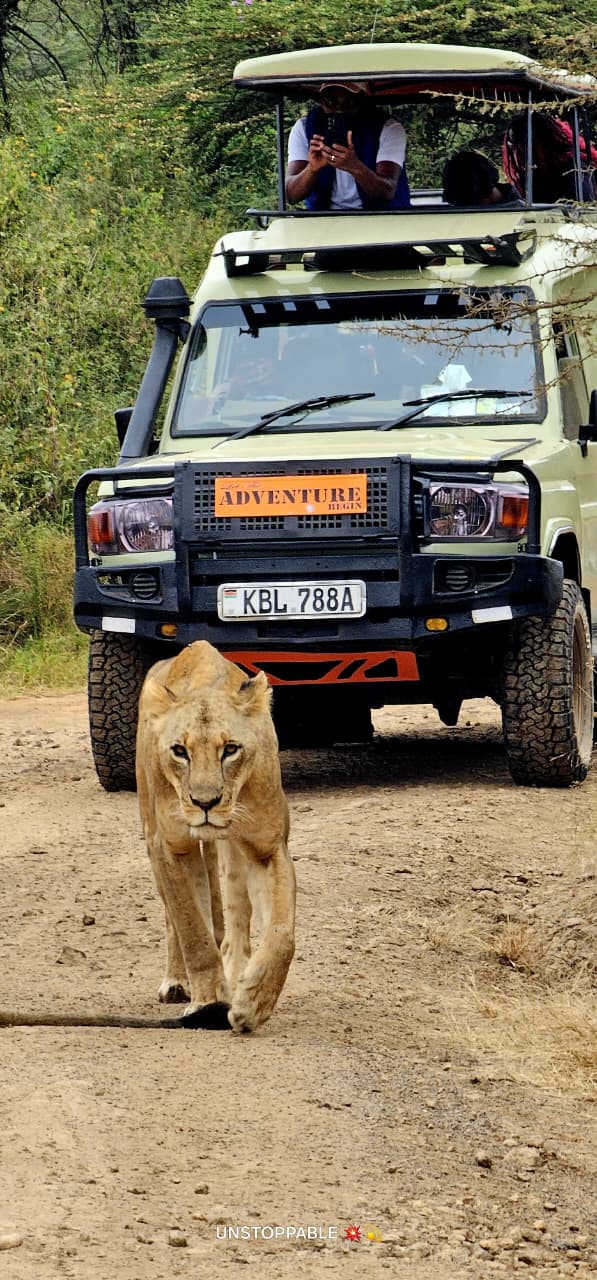
Even outside the migration season, Maasai Mara’s resident wildlife remains impressive. Lions can often be spotted lounging in the shade, cheetahs sprinting across open plains, and elephants moving gracefully between waterholes. Birdwatchers also enjoy spotting species like vultures, crowned cranes, and secretary birds.
For last-minute travelers, Maasai Mara’s combination of accessibility, abundance of wildlife, and iconic landscapes makes it an unbeatable destination. Whether staying in luxury lodges, mid-range camps, or budget tents, the reserve delivers a full safari experience within a short timeframe.
Amboseli National Park – Iconic Views of Mount Kilimanjaro
Located in southern Kenya near the Tanzanian border, Amboseli National Park offers one of the most photographed safari landscapes in Africa. The park is famous for its towering elephants set against the backdrop of Mount Kilimanjaro, Africa’s highest peak. The park’s dry, open plains create ideal conditions for spotting large herds of elephants, often roaming with calves.
Amboseli is not just about elephants. The park hosts lions, cheetahs, wildebeest, and numerous antelope species. Bird enthusiasts can spot flamingos, storks, and egrets near swamps and seasonal water bodies. Its relatively compact size—about 392 square kilometers—makes it easy to explore in a day or overnight safari, perfect for last-minute visitors.
Elephant Herds and Bird Watching
Amboseli is globally renowned for its elephant population, which has been studied for decades. Visitors often witness elephants bathing in mud, crossing open plains, or feeding near waterholes. The park’s swamps attract a wide variety of birds, creating rich photo opportunities and educational encounters for nature lovers.
Sunrises and sunsets in Amboseli are unforgettable. The golden glow of the rising or setting sun, combined with Mount Kilimanjaro’s snow-capped peak and silhouettes of elephants, creates one of the most iconic African landscapes. For last-minute travelers, a two-day safari can encompass game drives, photographic moments, and cultural visits to nearby Maasai villages.
Samburu National Reserve – Unique Northern Wildlife
Samburu, located in northern Kenya along the Ewaso Ng’iro River, offers a completely different safari experience from the more famous southern parks. The arid, semi-desert landscape is home to unique species not found elsewhere in Kenya, including Grevy’s zebras, reticulated giraffes, gerenuks, and Somali ostriches.
The reserve is also known for its rich cultural experiences. Samburu communities maintain traditional lifestyles, and visits often include interactions with local warriors, learning about customs, beadwork, and traditional dances.
Special Species and Cultural Encounters
For wildlife enthusiasts, Samburu offers the chance to see rare species that are difficult to spot in southern parks. Its dry, thorny landscape is ideal for these animals, and guided game drives allow visitors to locate and photograph them efficiently.
For those seeking cultural immersion, Samburu provides authentic experiences, from visiting villages to participating in traditional ceremonies. Last-minute travelers can combine wildlife viewing with these enriching encounters, making it a memorable alternative to the more crowded Maasai Mara.
Lake Naivasha – Beyond the Traditional Safari
While most people associate safaris with lions and elephants, Lake Naivasha offers a refreshing alternative for a summer trip. Located about 90 kilometers northwest of Nairobi, this freshwater lake supports hippos, giraffes, and countless bird species. Visitors can enjoy boat rides, walking safaris on Crescent Island, or simply relax by the lakeside.
Lake Naivasha is ideal for those looking to balance adventure and relaxation. Its proximity to Nairobi makes it a practical choice for spontaneous day trips or one-night getaways.
Boating, Walking Safaris, and Hippo Watching
Boat safaris on Lake Naivasha provide intimate wildlife encounters, with hippos often surfacing just a few meters away. Crescent Island allows visitors to walk among giraffes, zebras, and antelopes, offering a rare pedestrian safari experience.
The lake area is also rich in birdlife, including African fish eagles, herons, and kingfishers, which delight photographers and nature enthusiasts alike. For last-minute travelers, this combination of wildlife, water, and scenic landscapes offers an accessible yet memorable safari alternative.
Tsavo National Park – Massive Landscapes and Diverse Wildlife
Tsavo, divided into Tsavo East and Tsavo West, is one of the largest safari areas in Kenya, covering over 22,000 square kilometers. The park offers an expansive wilderness experience, far from the crowds of Maasai Mara or Amboseli. Its landscapes range from savannah plains and lava flows to volcanic hills and riverine forests.
Exploring Tsavo East vs Tsavo West
Tsavo East is renowned for its vast, open plains and red-dusted elephants, which create striking photographic opportunities. Tsavo West features volcanic hills, the scenic Mzima Springs, and lush river valleys. Last-minute travelers can choose either park depending on their interests: East for iconic savannah landscapes, West for varied terrain and water features.
Tsavo’s scale also ensures that even short game drives provide authentic wilderness experiences, with fewer vehicles and greater opportunities to encounter animals in solitude.
Laikipia Plateau – Adventure and Conservation Combined
The Laikipia Plateau, north of Mount Kenya, combines wildlife, luxury lodges, and community conservation projects. It’s increasingly popular for last-minute travelers seeking a more exclusive safari experience. Laikipia offers opportunities for walking safaris, horseback safaris, and night game drives.
Wildlife, Luxury Lodges, and Community Projects
Laikipia is home to endangered species such as black rhinos, Grevy’s zebras, and wild dogs. Many lodges partner with local communities to support conservation and education, making every visit meaningful. The plateau’s diverse terrain—from savannahs to riverine forests—offers a refreshing alternative to more crowded southern parks.
Meru National Park – Hidden Gem Safari Destination
Meru National Park, located near the equator, remains one of Kenya’s quieter safari destinations. Its rich biodiversity and serene landscapes make it a hidden gem for travelers seeking a less commercialized experience. The park features elephants, lions, cheetahs, and buffaloes, along with hippos and crocodiles in the rivers.
Unique Wildlife and Peaceful Landscapes
Because Meru sees fewer visitors, last-minute travelers can enjoy a peaceful, personalized safari experience. The park’s varied habitats—from open plains to riverine forests—support a wide range of species, ensuring wildlife encounters are both diverse and memorable.
Tips for Planning a Last-Minute Safari in Kenya
- Start Early: Begin your safari early in the morning for maximum wildlife viewing.
- Use Trusted Operators: Choose reputable safari companies that can handle short-notice bookings.
- Pack Smart: Include essentials like sunscreen, hats, comfortable shoes, water, and binoculars.
- Flexible Itinerary: Be open to adjusting destinations based on availability.
- Accommodations: Consider tented camps or lodges that specialize in last-minute travelers.
Choosing the Right Safari Package for Your Summer Trip
Last-minute travelers benefit from all-inclusive packages covering transportation, park entry, meals, and guided game drives. Depending on your budget, options range from luxury lodges with private guides to mid-range camps offering shared tours. Booking through established operators ensures a smooth, stress-free experience even with minimal notice.
Safety and Health Considerations for Summer Safaris
- Vaccinations: Ensure you are up to date on routine vaccines and consider yellow fever if coming from a high-risk country.
- Malaria Prevention: Take prophylaxis and use mosquito repellents.
- Travel Insurance: Recommended for any safari, especially for last-minute trips.
- Hydration and Sun Protection: Carry water and wear sunblock, hats, and light clothing.
Conclusion
Kenya offers some of the most thrilling and accessible safari experiences in the world, even for last-minute travelers. From iconic parks like Maasai Mara and Amboseli to hidden gems such as Meru and Laikipia, the country provides diverse landscapes, abundant wildlife, and unique adventures suitable for summer trips. With proper planning, flexible itineraries, and reliable operators, even spontaneous travelers can enjoy unforgettable encounters with Africa’s wildlife.
FAQs About Last-Minute Safari Trips in Kenya
Is it possible to book a safari at the last minute in Kenya?
Yes. Many tour operators and lodges maintain availability for spontaneous travelers, especially outside peak season. Domestic flights to safari hubs also make last-minute planning feasible.
What are the best months for last-minute summer safaris?
The dry season (June–October) is ideal. Wildlife is easier to spot, and conditions are generally comfortable for outdoor activities.
Can families with children do last-minute safaris safely?
Absolutely. Parks like Amboseli, Lake Naivasha, and Meru are family-friendly, offering safe accommodations and activities suitable for children.
How much should I budget for a last-minute safari?
Costs vary widely depending on park, accommodation type, and duration. Budget travelers can spend a few hundred dollars per day, while luxury safaris may exceed $500 per person per day.
Do I need travel insurance for last-minute safari trips?
Yes. Travel insurance is highly recommended to cover unforeseen events such as flight delays, health emergencies, or cancellations.

Recent Posts

Kenya with kids: planning a family safari in Kenya
Last Minute Summer Safari Trips To Kenya