Kenya with kids: planning a family safari in Kenya
Why Kenya Is a Top Family Safari Destination
Kenya is one of the most extraordinary destinations for families looking to combine adventure, education, and unforgettable memories. A safari here isn’t just about spotting lions or elephants—it’s about introducing children to the wonders of wildlife, landscapes, and different cultures in a way that is both fun and safe. The country’s well-established safari infrastructure, abundance of accessible parks, and range of accommodation options make it ideal for family-friendly travel.
One of the greatest appeals of a family safari in Kenya is the opportunity for interactive learning. Children can witness animals in their natural habitats, participate in guided nature walks, and even take part in conservation-related activities at certain lodges. These experiences nurture curiosity and an early appreciation for environmental stewardship. Unlike a standard vacation that may rely solely on theme parks or beaches, a Kenyan safari blends adventure with education, creating experiences that stay with children for a lifetime.
Kenya also caters to the practical needs of families. Many parks and lodges offer kid-friendly accommodations, safe activities, and meals tailored to younger guests. Accessibility is another advantage: major parks are reachable via short domestic flights or manageable road trips, minimizing fatigue for younger travelers. The country’s tourism professionals are experienced in hosting families, ensuring that even last-minute arrangements can result in smooth and enjoyable itineraries.
Diverse Wildlife Experiences for All Ages
Children of all ages can find something thrilling in Kenya’s wildlife. In Maasai Mara, the sight of a lion pride lounging under acacia trees or a cheetah sprinting across golden plains sparks awe and excitement. At Amboseli, elephants roam in vast herds with Mount Kilimanjaro in the background, creating perfect moments for photography and storytelling. For younger kids, gentler encounters at Lake Naivasha or Crescent Island allow safe interaction with zebras, giraffes, and antelopes on walking safaris.
The variety of wildlife across Kenya ensures that every day brings something new. Beyond the “Big Five,” families can enjoy spotting colorful birds, hippos wallowing in lakes, crocodiles sunning themselves on riverbanks, and playful monkeys swinging through trees. This diversity keeps children engaged, making even long safari drives feel like a continuous adventure rather than a static ride.
Accessibility and Family-Friendly Infrastructure
Kenya’s tourism infrastructure is particularly supportive for families. Many national parks are within 1–3 hours of Nairobi, allowing families to combine city amenities with natural exploration. Domestic airlines and road networks make transfers quick and comfortable, while reputable safari operators specialize in family-tailored tours with activities suitable for children and adults alike.
Facilities in lodges and camps often include swimming pools, nature centers, playgrounds, and supervised children’s programs, ensuring that parents can relax while children are entertained. Many lodges also provide family-sized tents or suites with separate bedrooms for kids, balancing safety, comfort, and adventure.
Choosing the Right Safari Parks for Families
Selecting the best parks is crucial for a successful family safari. Not all parks are equally suited to children, so prioritizing accessibility, safety, and diverse wildlife opportunities ensures a fun and stress-free experience.
Maasai Mara National Reserve – Iconic Wildlife for Kids
Maasai Mara is the ultimate destination for families who want to witness Africa’s wildlife in a dramatic setting. Children will be amazed by the sight of lions, elephants, giraffes, and zebras in open plains. Guided game drives are safe for kids, and many lodges offer short excursions, allowing families to see abundant wildlife without long hours in the vehicle.
The reserve also offers educational programs where children learn about animal behavior, tracking, and conservation efforts. For families visiting during the Great Wildebeest Migration (July–October), the experience becomes even more magical as kids watch millions of wildebeest and zebras crossing rivers.
Amboseli National Park – Elephants and Open Plains
Amboseli is perfect for families who want easy access to iconic elephants. The park’s open plains make spotting animals simple, even for younger children. Birdwatching and guided nature walks add variety, keeping kids engaged throughout the day. The backdrop of Mount Kilimanjaro also offers unique photo opportunities that families treasure for years.
Lake Naivasha – Walking Safaris and Boat Rides
Lake Naivasha provides a gentler, water-based safari experience suitable for children of all ages. Boat rides allow kids to observe hippos and birds up close, while Crescent Island offers a safe walking safari among zebras, giraffes, and antelopes. The lake’s calm atmosphere is perfect for families looking for a mix of relaxation and adventure.
Family-Friendly Safari Lodges and Camps
Choosing accommodations that cater to children can make a huge difference in the overall experience.
Amenities and Activities for Children
Many lodges offer kid-friendly features such as swimming pools, nature trails, and supervised wildlife activities. Some provide educational programs, including wildlife tracking, conservation talks, and even junior ranger activities, ensuring children remain entertained and engaged while parents enjoy traditional game drives.
Safety Considerations in Accommodations
Safety is a top priority in family-friendly lodges. Most properties have enclosed perimeters, trained staff, and secure pathways to minimize risks around wildlife and water features. Choosing lodges that specifically advertise family services ensures both comfort and peace of mind for parents.
Planning a Kid-Friendly Itinerary
A successful family safari balances wildlife viewing with downtime, educational activities, and opportunities to explore safely.
Balancing Wildlife, Relaxation, and Education
Children can become tired during long game drives, so alternating between early morning safaris, afternoon rest periods, and short guided walks is ideal. Incorporating interactive learning, such as conservation talks or animal tracking exercises, keeps the safari both fun and educational.
Suggested 7-Day Family Safari Schedule
- Day 1: Arrival in Nairobi, relax, and visit Nairobi National Park for a short game drive.
- Day 2: Fly to Maasai Mara, afternoon game drive.
- Day 3: Full-day Maasai Mara safari with picnic lunch and optional hot-air balloon ride.
- Day 4: Travel to Lake Naivasha, boat safari and Crescent Island walking safari.
- Day 5: Amboseli National Park, afternoon game drive with Mount Kilimanjaro views.
- Day 6: Amboseli morning safari, return to Nairobi in the evening.
- Day 7: Nairobi city exploration or Karen Blixen Museum visit before departure.
Tips for Keeping Kids Engaged on Safari
Fun Activities and Educational Opportunities
- Nature scavenger hunts
- Junior ranger programs
- Wildlife tracking and animal identification
- Birdwatching challenges
- Storytelling sessions about local wildlife and conservation
Managing Long Drives and Wildlife Viewing
- Break drives into short segments
- Bring snacks, water, and games
- Encourage children to keep journals or sketch animals they see
- Plan early morning drives when wildlife is most active and temperatures are cooler
Preparing for the Safari: Health, Safety, and Packing
Vaccinations and Malaria Precautions
- Ensure routine vaccinations are up to date
- Yellow fever vaccination may be required depending on travel route
- Malaria prophylaxis for children in affected areas
- Mosquito nets and repellents for added protection
Essential Gear and Clothing for Kids
- Lightweight, breathable clothing in neutral colors
- Comfortable shoes for walking
- Hats, sunscreen, and sunglasses
- Binoculars and cameras for wildlife spotting
- Snacks and reusable water bottles
Transportation Options for Family Safaris
Private Vehicle vs Group Tours
Private vehicles offer flexibility, comfort, and space for families, making them ideal for managing children’s needs. Group tours are also available and may include guides, meals, and park entry fees, reducing planning stress.
Domestic Flights and Road Travel
Domestic flights connect Nairobi to Maasai Mara, Amboseli, and other key parks, saving time and minimizing fatigue for kids. Roads to parks are generally well-maintained, but travel times vary depending on distance and weather conditions.
Cultural Experiences for Families
Visiting Maasai Villages
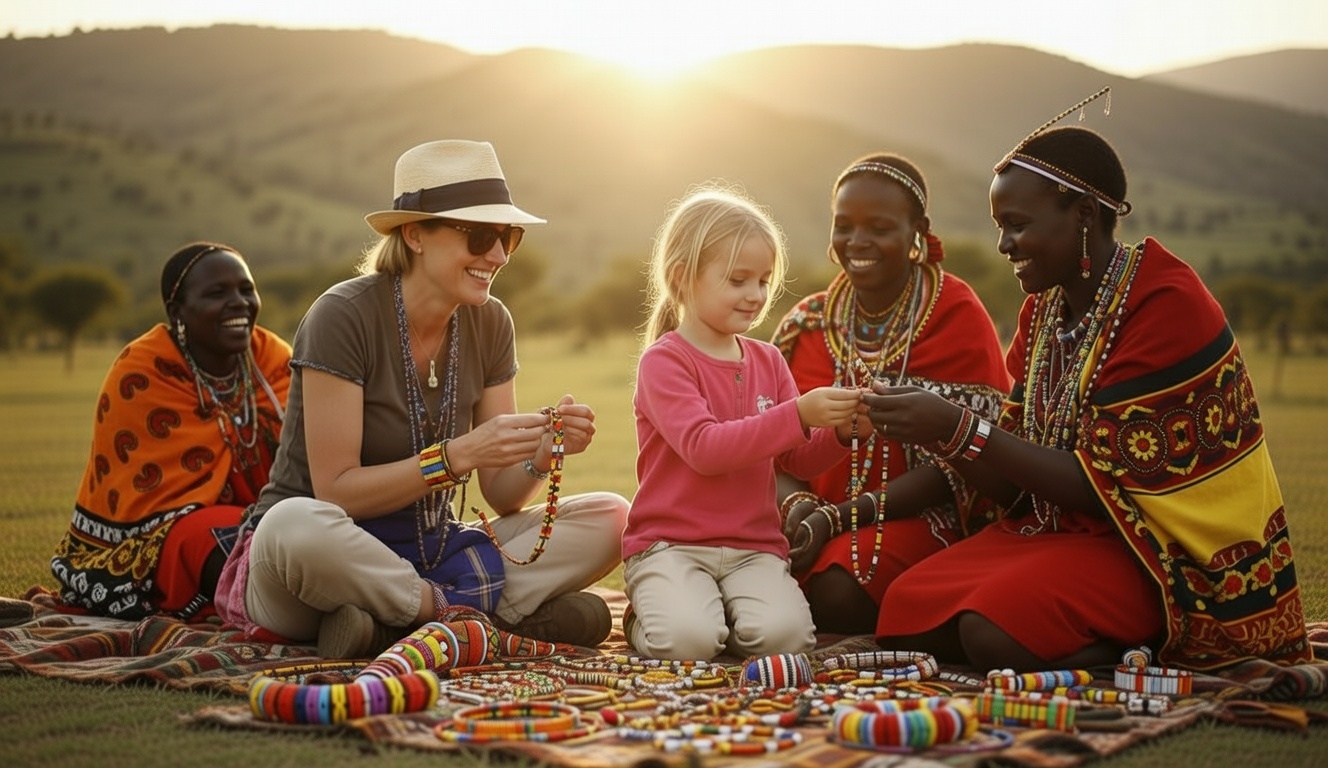
Families can learn about Maasai traditions, including beadwork, warrior ceremonies, and community life. Visits are often interactive, allowing children to engage with local culture safely.
Learning About Local Traditions and Wildlife Conservation
Many lodges incorporate educational programs about wildlife conservation, anti-poaching efforts, and habitat preservation, providing children with meaningful learning experiences.
Budgeting for a Family Safari in Kenya
A family safari budget depends on accommodation type, duration, and park choice. Budget options include mid-range lodges with shared tours, while luxury lodges and private safaris increase costs. Transportation, park fees, and meals should be factored in. Many lodges offer family packages to optimize cost-effectiveness.
Conclusion
A family safari in Kenya offers a unique blend of adventure, education, and unforgettable memories. From the iconic wildlife of Maasai Mara and Amboseli to the gentle experiences at Lake Naivasha, children can safely encounter nature, learn about conservation, and connect with local cultures. With careful planning, kid-friendly accommodations, and thoughtful itineraries, Kenya provides an enriching safari experience that the whole family will treasure for a lifetime.
FAQs About Family Safaris in Kenya
What age is appropriate for a safari in Kenya?
Safaris are suitable for children as young as 3–4 years old. Younger children may find long drives tiring, but many lodges offer family-friendly programs to accommodate them.
Are safaris safe for children?
Yes. Reputable lodges and safari operators prioritize safety, with enclosed camps, trained guides, and controlled game-drive routes.
How long should a family safari last?
A 5–7 day safari is ideal for families, allowing time to see multiple parks while maintaining a relaxed pace.
Are there educational activities for kids on safari?
Many lodges offer junior ranger programs, wildlife tracking, and conservation education, making safaris both fun and educational.
What is the best time of year for a family safari in Kenya?
The dry season (June–October) is most suitable, with easier wildlife viewing, comfortable weather, and fewer mosquitoes.

Recent Posts

Kenya with kids: planning a family safari in Kenya
Last Minute Summer Safari Trips To Kenya