Kenya Safari Packing List: Everything You Need for the Bush
Planning a safari in Kenya? Exciting. Nerve-wracking? Also yes. Because let’s be honest—packing for the African bush is not the same as packing for a beach vacation or a city break. You’re not just choosing outfits. You’re preparing for early morning game drives, dusty roads, intense sun, cool evenings, unpredictable weather, and some of the most breathtaking wildlife encounters on the planet.
The good news? Packing for a Kenya safari doesn’t have to be complicated. In fact, once you understand what truly matters (and what doesn’t), it becomes surprisingly simple.
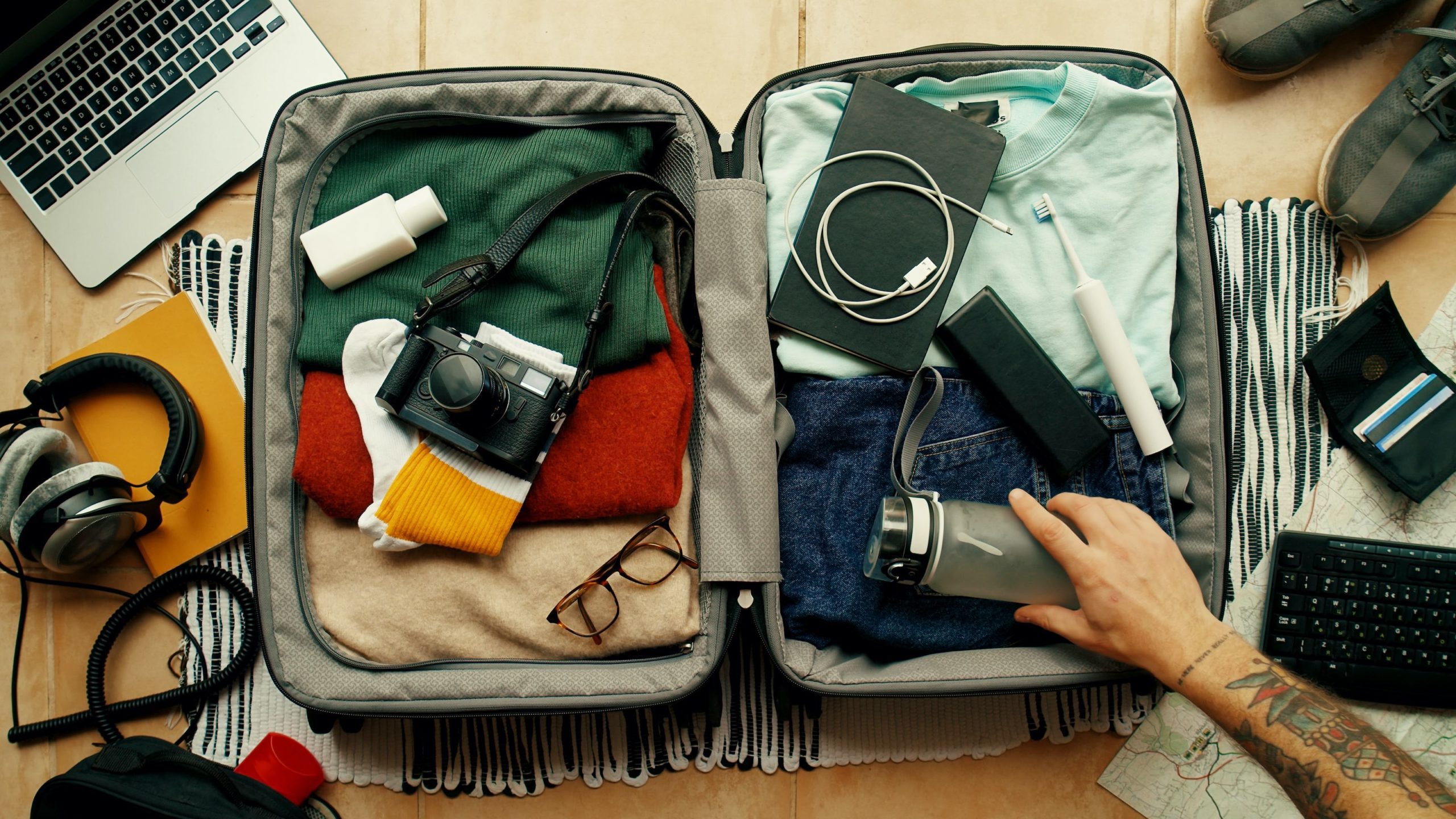
This ultimate Kenya safari packing list covers everything you need for the bush—from clothing and gear to photography equipment, health essentials, and those small overlooked items that can make a big difference.
Let’s get you safari-ready.
Why Packing Smart for a Kenya Safari Matters
A safari isn’t your typical holiday. You’ll spend hours in a 4×4 vehicle, wake up before sunrise, deal with dust, heat, insects, and sometimes chilly winds—all in one day. Packing smart means staying comfortable, safe, and focused on what matters: the wildlife.
Overpacking can weigh you down, especially if you’re flying on small domestic planes with strict luggage limits (often 15kg / 33 lbs in soft bags only). Underpacking? That can leave you sunburned, bitten, or uncomfortable.
The goal is simple: pack light, pack practical, pack smart.
When done right, you’ll barely think about your gear—and that’s exactly how it should be.
Clothing Essentials for a Kenya Safari
Let’s start with the big one: what to wear on safari.
Forget fashion. Think function.
Neutral-Colored Clothing
In the bush, colours matter.
Stick to:
- Khaki
- Olive green
- Beige
- Light brown
- Muted greys
Avoid:
- Bright red, orange, neon colours
- Pure white (gets dusty fast)
- Dark blue or black (attracts tsetse flies in some areas)
Neutral colours help you blend into the environment and avoid attracting insects.
Lightweight, Breathable Fabrics
Kenya can be hot, especially during the dry season (June–October and January–February). Choose:
- Moisture-wicking shirts
- Lightweight cotton tops
- Quick-dry fabrics
- Loose-fitting clothing
Long sleeves are actually better than tank tops—they protect from the sun and insects.
Layering Is Key
Here’s what surprises most first-time safari-goers: mornings can be cold.
Game drives often start at 5:30 or 6:00 AM. Temperatures can drop significantly, especially in the Maasai Mara or high-altitude areas like Amboseli.
Bring:
- A fleece jacket
- A light insulated jacket
- A scarf or buff
- A lightweight sweater
By midday, you’ll probably be in short sleeves again.
Safari weather is like a mood swing—be ready.
Safari Bottoms
Pack:
- Lightweight hiking pants
- Convertible zip-off pants
- Breathable cargo pants
- 1–2 pairs of comfortable shorts (for lodge downtime)
Avoid jeans. They’re heavy, slow to dry, and uncomfortable in heat.
Footwear for the Bush
You don’t need five pairs of shoes.
Bring:
- Comfortable closed walking shoes or trail runners
- Lightweight hiking boots (if doing walking safaris)
- Sandals or flip-flops for the lodge
You’ll spend most of your time in a vehicle, but sturdy shoes are essential for bush walks and uneven terrain.
Sun Protection: Non-Negotiable in Kenya
The African sun is intense. Being near the equator means UV exposure is strong—even on cloudy days.
Your safari sun kit should include:
- Wide-brim hat or safari hat
- Polarized sunglasses
- High-SPF sunscreen (SPF 30+ minimum)
- Lip balm with SPF
- Lightweight scarf or buff
Sunburn on day one? That’s how safaris get uncomfortable fast.
Photography & Optics Gear
If you’re going to Kenya, you’ll want photos. Trust me.
Camera Essentials
Ideal setup:
- DSLR or mirrorless camera
- Telephoto lens (200mm–400mm or higher)
- Extra batteries
- Extra memory cards
- Camera cleaning cloth (dust is real)
Don’t underestimate dust. Keep your gear protected in a padded bag.
Binoculars: Highly Recommended
Even if you’re not a photographer, binoculars make a huge difference.
Recommended specs:
- 8×42 magnification (great balance of clarity and portability)
Your guide may spot a leopard in a tree 100 meters away. Without binoculars? You’ll just see leaves.
Health & Medical Essentials
Your health kit should be compact but effective.
Bring:
- Malaria prophylaxis (if prescribed)
- Insect repellent (with DEET or Picaridin)
- Personal medications
- Small first-aid kit
- Motion sickness tablets (for rough roads)
- Anti-diarrheal medication
- Hand sanitizer
- Wet wipes
Also consider:
- Electrolyte tablets (hydration matters)
- Reusable water bottle
Most lodges provide filtered water—but staying hydrated is your responsibility.
Documents & Travel Essentials
Don’t forget the boring but critical stuff:
- Passport (valid 6+ months)
- eVisa (if required)
- Travel insurance documents
- Vaccination certificate (yellow fever if required)
- Copies of important documents (physical + digital)
Keep them in a waterproof travel wallet.
Tech & Power Essentials
Kenya uses Type G plugs (UK-style).
Bring:
- Universal travel adapter
- Power bank
- Camera charger
- Phone charger
- Small extension cord (helpful in camps)
Some camps run on solar power and limit electricity hours—charge devices when you can.
Small But Mighty Extras Most People Forget
These are the items travellers often wish they packed:
- Headlamp or small flashlight
- Ziplock bags (dust protection)
- Eye mask (early sunrise)
- Earplugs (bush sounds are magical… and loud)
- Notebook or travel journal
- Snacks (protein bars, nuts)
- Lightweight backpack for game drives
It’s the little things that make the biggest difference.
What NOT to Pack for a Kenya Safari
Let’s simplify.
Leave at home:
- High heels
- Heavy jewelry
- Formal evening wear
- Hair dryers (many camps don’t allow them)
- Excessive luggage
- Drones (illegal in Kenya without a permit)
Safari style is relaxed and practical. No one cares about runway fashion in the bush.
Seasonal Packing Considerations
Dry Season (June–October, Jan–Feb)
- More dust
- Cooler mornings
- Prime wildlife viewing
- Sunglasses essential
Wet Season (March–May, Nov–Dec)
- Rain jacket necessary
- Waterproof bag cover
- Extra socks
- Mud-friendly shoes
Adjust accordingly, but keep it lightweight.
Luggage Guidelines for Kenya Safaris
If flying domestically:
- Soft-sided duffel bag
- Max 15kg (33 lbs) typically
- No hard suitcases
This rule catches many travellers off guard.
Pack compact. Use packing cubes. Roll clothes.
Less is more.
Sample Kenya Safari Packing Checklist
Here’s a simplified checklist:
Clothing
- 3–4 neutral shirts
- 2 safari pants
- 1 jacket/fleece
- Hat
- Sunglasses
- Walking shoes
- Sandals
- Undergarments
- Sleepwear
Gear
- Camera + lens
- Binoculars
- Backpack
- Travel adapter
- Power bank
Health
- Sunscreen
- Insect repellent
- First aid kit
- Medications
- Water bottle
Documents
- Passport
- Visa
- Insurance
- Vaccination records
Simple. Efficient. Ready for the bush.
Final Thoughts: Pack for Experience, Not for Style
A Kenya safari is about raw nature, golden horizons, and unforgettable wildlife moments—not outfits.
If you pack thoughtfully, you’ll be comfortable enough to forget about your gear and fully immerse yourself in the experience.
You’ll wake up before sunrise, wrap yourself in a light jacket, sip hot coffee as elephants move through morning mist—and you’ll realize something: you didn’t need half the things you almost packed.
Just the essentials.
And a sense of adventure.
FAQs
1. Can I wear shorts on safari?
Yes, but long pants are better for sun and insect protection during game drives.
2. Do I need hiking boots?
Only if you’re doing walking safaris. Otherwise, sturdy walking shoes are enough.
3. Is laundry available at safari lodges?
Most mid-range and luxury lodges offer laundry services, sometimes included.
4. How strict are luggage limits on safari flights?
Very strict. Usually, 15kg in soft-sided bags only.
5. Do I need camouflage clothing?
No. In fact, camouflage is discouraged and sometimes restricted.

Recent Posts
Kenya with kids: planning a family safari in Kenya
Last Minute Summer Safari Trips To Kenya