Maasai Mara vs Amboseli: Which Kenya National Park Should You Visit?
When it comes to planning a safari in Kenya, two of the country’s most iconic parks—Maasai Mara National Reserve and Amboseli National Park—often dominate the conversation. Both offer incredible wildlife experiences, stunning landscapes, and world-class safari opportunities, yet they provide very different adventures. Choosing between them can be challenging, especially if it’s your first safari. This guide breaks down every aspect of these two parks—wildlife, scenery, accessibility, accommodations, and overall experience—so you can decide which destination suits your safari dreams best.
Overview of Maasai Mara National Reserve
The Masai Mara, located in southwestern Kenya along the Tanzania border, is arguably the country’s most famous safari destination. Spanning over 1,500 square kilometres of open savannah, rolling hills, and riverine forests, the Mara is synonymous with the Great Migration, which sees millions of wildebeest, zebras, and gazelles cross from Tanzania’s Serengeti each year between July and October. Beyond the migration, the Mara is home to the Big Five—lion, leopard, elephant, buffalo, and rhinoceros—making it a dream destination for wildlife lovers.
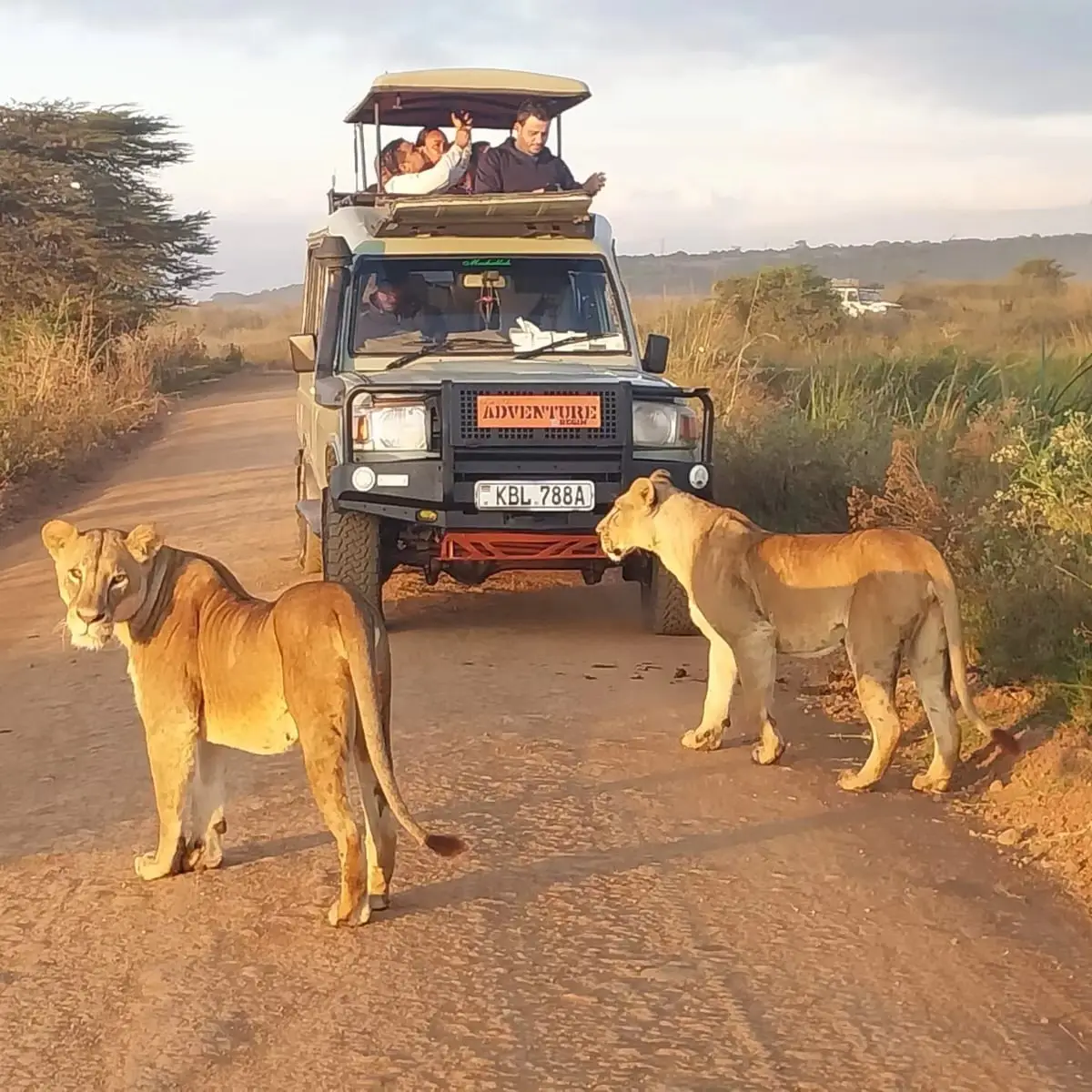
The Masai Mara’s open plains make animal sightings relatively easy. Game drives often reveal lions basking under acacia trees, cheetahs sprinting across golden grasses, and elephants moving gracefully across the horizon. Birdwatchers are also in for a treat, with over 450 species recorded in the park. The Mara’s vastness and biodiversity make it ideal for extended safaris where you can spend days tracking predators, observing herd dynamics, or capturing the perfect photographic moment.
Accommodations range from ultra-luxury lodges with private decks and gourmet dining to tented camps that immerse you in the sounds and sights of the African bush. Many lodges offer balloon safaris, bush breakfasts, and guided walking safaris, providing a variety of ways to experience the wilderness. For first-time visitors and photographers seeking iconic safari imagery, the Masai Mara often comes out on top.
Overview of Amboseli National Park
Amboseli National Park, situated near Kenya’s southern border with Tanzania, is world-renowned for its elephant populations and breathtaking views of Mount Kilimanjaro, Africa’s tallest peak. While smaller than the Masai Mara, Amboseli’s landscape is uniquely dramatic, featuring swamps, savannahs, acacia woodlands, and vast open plains. Its location at the foot of Kilimanjaro provides one of the most recognisable backdrops in safari photography, particularly at sunrise or sunset.
Amboseli is famous for close-up encounters with large elephant herds, including mothers and calves, often seen playing in swamps and dust bathing in the park’s iconic red soil. The park is also home to lions, cheetahs, wildebeests, zebras, giraffes, and over 400 bird species, making it a comprehensive wildlife experience despite its smaller size. Amboseli’s wildlife is concentrated around water sources, so spotting animals is often straightforward, especially during the dry season from June to October.
The park’s proximity to Nairobi—about a four-hour drive—makes it highly accessible for travellers with limited time. Accommodation options include luxury lodges with panoramic views of Kilimanjaro, mid-range tented camps, and budget-friendly stays, making it suitable for a range of safari styles. Amboseli offers a more relaxed, intimate safari experience with fewer crowds than the Masai Mara.
Wildlife Comparison: Maasai Mara vs Amboseli
When comparing wildlife, the Masai Mara and Amboseli each have unique draws.
- Maasai Mara:
- Offers the full Big Five, with lions, leopards, elephants, buffaloes, and rhinos roaming across open plains.
- Home to dramatic predator-prey interactions, especially during the Great Migration.
- More diverse species overall, including cheetahs, hyenas, wildebeests, and large herds of zebras.
- Amboseli:
- Famous for elephant viewing, with some of the largest herds in Africa.
- Wildlife is easier to spot year-round due to the park’s small size and concentrated habitats.
- Offers fewer predators and less diversity in prey species but compensates with iconic photographic opportunities against Kilimanjaro.
In short, if your primary goal is seeing a wide variety of animals and witnessing dramatic wildlife moments, the Maasai Mara excels. If your goal is intimate encounters with elephants and photography against stunning mountain landscapes, Amboseli is the better choice.
Landscape and Photography Opportunities
The landscapes in each park are dramatically different, influencing both the safari experience and photographic potential.
- Maasai Mara:
- Rolling savannahs and expansive plains make for cinematic wildlife shots.
- River crossings during migration offer intense, high-action photography.
- Ideal for sunrise and sunset shots with vast skies and golden grasses.
- Amboseli:
- The backdrop of Mount Kilimanjaro is unbeatable for iconic photos.
- Swamps, red soil, and acacia trees create contrast for wildlife photography.
- Morning light on elephants with Kilimanjaro in the background is considered one of the most stunning safari shots in Africa.
While both parks are excellent for photography, Maasai Mara emphasizes action and diversity, while Amboseli emphasizes landscape and iconic wildlife portraits.
Accessibility and Travel Logistics
Accessibility can influence which park you choose:
- Maasai Mara:
- Approximately 5–6 hours by road from Nairobi or 45 minutes via a small chartered plane.
- Remote sections may require 4×4 vehicles, especially in the rainy season.
- Ideal for travellers with more time who want a fully immersive safari experience.
- Amboseli:
- About a 4-hour drive from Nairobi on well-maintained roads.
- Can be done as a short safari for travellers with limited time.
- Easy for families, first-time safari-goers, or those combining Nairobi with park visits.
In general, Amboseli is more convenient for quick trips, while the Maasai Mara rewards travelers who invest more time and effort.
Accommodation Options
Both parks offer a variety of accommodations, but styles differ:
- Maasai Mara:
- Luxury lodges with private decks and infinity pools.
- Tented camps immersed in the wilderness.
- Balloon safari packages available.
- Amboseli:
- Lodges with panoramic views of Kilimanjaro.
- Small tented camps along waterholes for intimate wildlife viewing.
- Mid-range and budget options are plentiful, making it accessible for all travellers.
Masai Mara accommodations often emphasize adventure and luxury, while Amboseli emphasizes comfort and proximity to wildlife with fewer crowds.
Best Time to Visit
Timing can impact your experience:
- Maasai Mara:
- June–October is the dry season and peak migration period.
- January–February offers excellent wildlife viewing without crowds, though fewer migration events occur.
- Amboseli:
- June–October is the best dry season for wildlife spotting and clear Kilimanjaro views.
- The wet season (March–May) makes landscapes lush but may limit road access.
Both parks are best visited during the dry season for predictable wildlife sightings, but Amboseli offers consistently good wildlife viewing year-round due to concentrated habitats.
Which Park Should You Choose?
Choosing between Masai Mara and Amboseli depends on your safari goals:
- Choose Maasai Mara if:
- You want to witness dramatic predator-prey interactions and a wide variety of species.
- You’re interested in seeing the Great Migration or large herds of herbivores.
- You’re a wildlife photographer seeking dynamic action shots.
- Choose Amboseli if:
- You want close-up encounters with elephants against the iconic Kilimanjaro backdrop.
- You have limited time and want a convenient safari near Nairobi.
- You prefer fewer crowds and a more relaxed, scenic safari experience.
Many travellers combine both parks in one trip for the ultimate Kenyan safari, experiencing the Maasai Mara’s wildlife abundance and Amboseli’s breathtaking landscapes in one journey.
Conclusion
Both the Maasai Mara and Amboseli National Park offer unforgettable safari experiences, but they serve different tastes. Maasai Mara is the ultimate destination for wildlife diversity, dramatic action, and the iconic Great Migration, while Amboseli offers stunning landscapes, intimate elephant encounters, and convenient accessibility. Your choice depends on whether your safari priority is action-packed wildlife encounters or scenic wildlife photography with fewer crowds. Ideally, combining both parks gives you the best of both worlds, making your Kenyan safari truly unforgettable.
FAQs
1. Can I visit both Maasai Mara and Amboseli on the same trip?
Yes, combining both parks is possible, usually over a 7–10 day safari. Domestic flights or road transfers connect the two efficiently.
2. Which park is better for families?
Amboseli is more family-friendly due to shorter drives, easy access, and predictable wildlife sightings. Maasai Mara is suitable for families but may require longer game drives.
3. When is the best time to see elephants?
Elephants in Amboseli are visible year-round, but the dry season (June–October) offers the best viewing conditions.
4. Which park is better for photographers?
Maasai Mara is ideal for action shots and dramatic wildlife scenes, while Amboseli is perfect for iconic portraits with Mount Kilimanjaro in the background.
5. Are guided safaris necessary in either park?
Yes, guides enhance safety, wildlife spotting, and overall experience in both parks. They also provide valuable insights into animal behaviour and local ecosystems.

Recent Posts
Kenya with kids: planning a family safari in Kenya
Last Minute Summer Safari Trips To Kenya