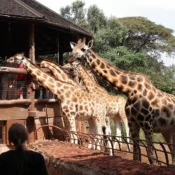

The Ultimate Guide to Safari in Kenya: Best Parks, Times to Visit & What to Expect
The Ultimate Guide to Safari in Kenya: Best Parks, Times to Visit & What to Expect
There’s something about Kenya that feels cinematic. Maybe it’s the endless golden savannahs. Maybe it’s the silhouette of giraffes against a burning orange sunset. Or maybe it’s the raw thrill of locking eyes with a lion in the wild. Whatever it is, a safari in Kenya isn’t just a trip — it’s an experience that rewires something inside you.
If you’re planning your first safari (or even your fifth), this ultimate guide will walk you through the best parks in Kenya, the best times to visit, what to expect, costs, wildlife, accommodation, and practical tips — everything you need to plan a safari that actually lives up to the dream.
Let’s get into it.
Why Choose Kenya for a Safari?
Kenya is often considered the birthplace of safari. The word itself comes from Swahili, meaning “journey.” And that’s exactly what this is — a journey into some of the most iconic landscapes on Earth.
Here’s why Kenya stands out:
- Home of the Great Migration
- Strong populations of the Big Five
- Incredible biodiversity (1,000+ bird species)
- Excellent safari infrastructure
- Range of budgets — from luxury to affordable
- Easy access via Nairobi
Kenya also offers something many destinations don’t: diversity. In one week, you can see elephants under Mount Kilimanjaro, watch lions hunt in the Maasai Mara, explore freshwater lakes, and even relax on white-sand beaches along the Indian Ocean.
Few countries deliver that range.
Best Safari Parks in Kenya
Let’s talk about the heavy hitters — and what makes each park unique.
Maasai Mara National Reserve
If Kenya had a crown jewel, this would be it.
The Maasai Mara is famous for:
- The Great Migration (July–October)
- Exceptional predator sightings
- Classic open savannah landscapes
- Big Five encounters
This is where you’ll see lions stretched under acacia trees, cheetahs scanning the plains, and wildebeest herds stretching beyond the horizon.
The open terrain makes wildlife spotting easier than in many other parks. It’s also one of the best places in Africa for leopard sightings.
Best for: First-time safari travelers, photographers, migration seekers.
Best time to visit: July–October (migration), January–February (great predator activity).
Amboseli National Park
Amboseli is iconic for one reason: elephants with Mount Kilimanjaro in the background.
It’s smaller than the Mara but delivers:
- Massive elephant herds
- Close-up wildlife encounters
- Stunning photography backdrops
- 400+ bird species
Wildlife gathers around swamps and water sources, making sightings consistent year-round.
Amboseli feels more intimate. Fewer crowds. More dramatic scenery.
Best for: Elephant lovers, photographers, shorter trips from Nairobi.
Best time to visit: June–October for clear Kilimanjaro views.
Tsavo East & Tsavo West
Together, Tsavo is Kenya’s largest protected area.
Expect:
- “Red elephants” (dust-covered)
- Lava flows and volcanic landscapes
- Fewer vehicles
- Rugged terrain
Tsavo feels wild and untamed. It’s less polished than the Mara, which many travelers love.
Best for: Repeat visitors, those wanting fewer crowds.
Best time to visit: June–October.
Samburu National Reserve
Northern Kenya feels different. Drier. Rawer. Less touristy.
Samburu is known for the “Special Five”:
- Grevy’s zebra
- Reticulated giraffe
- Beisa oryx
- Somali ostrich
- Gerenuk
It’s excellent for unique wildlife you won’t easily see elsewhere.
Best for: Travelers wanting something off the beaten path.
Lake Nakuru National Park
Famous for:
- Flamingos
- Rhinos
- Compact game drives
- Easy access
It’s a smaller park, great for 1–2 days.
When Is the Best Time to Visit Kenya for Safari?
Timing matters.
Kenya has two main seasons:
Dry Season (June–October, January–February)
Pros:
- Best wildlife viewing
- Animals gather at water sources
- Less vegetation = easier spotting
- Migration in Mara (July–Oct)
Cons:
- Peak prices
- More tourists
Wet Season (March–May, November–December)
Pros:
- Lush green landscapes
- Fewer crowds
- Lower prices
- Incredible birdlife
Cons:
- Muddy roads
- Harder wildlife spotting
If it’s your first safari, aim for June–October.
What Wildlife Can You Expect to See?
Kenya delivers serious wildlife density.
The Big Five
- Lion
- Elephant
- Buffalo
- Leopard
- Rhino
But that’s just the beginning.
Also expect:
- Cheetahs
- Giraffes
- Zebras
- Wildebeest
- Hippos
- Crocodiles
- Hyenas
- Jackals
- 1,000+ bird species
Every game drive feels different. Some days are calm. Others? Pure National Geographic.
What to Expect on a Typical Safari Day
Safari days run on nature’s clock.
Typical schedule:
5:30 AM – Wake up
6:00 AM – Morning game drive
9:30 AM – Breakfast
Midday – Rest (animals are less active)
3:30 PM – Afternoon drive
6:30 PM – Sunset return
Evening – Dinner under the stars
It’s early. It’s dusty. It’s magical.
Safari Accommodation Options
Kenya offers every level of comfort.
Luxury Lodges
- Private decks
- Gourmet meals
- Infinity pools
- Personalized guides
Tented Camps
- Canvas tents
- Real beds & bathrooms
- Immersive bush sounds
Budget Camps
- Simple but functional
- Shared or basic amenities
- Affordable access to parks
You can spend $150/day or $1,500/day. The wildlife doesn’t change — just the comfort level.
How Much Does a Kenya Safari Cost?
Approximate daily costs:
- Budget: $150–$300
- Mid-range: $300–$700
- Luxury: $800–$1,500+
Costs include:
- Accommodation
- Meals
- Game drives
- Guide
- Transport
Park fees range from $50–$100 per day.
Flights and extras are separate.
Safari Types Available in Kenya
Beyond classic game drives, you can choose:
- Hot air balloon safaris (Mara)
- Walking safaris
- Night drives (private conservancies)
- Cultural visits (Maasai villages)
- Boat safaris (Lake Naivasha)
Each offers a different perspective.
Safari Safety: Is Kenya Safe?
Yes — when using reputable operators.
Follow simple rules:
- Stay in the vehicle
- Listen to your guide
- Don’t feed animals
- Respect distance
Guides are highly trained. Accidents are rare.
What to Pack for a Kenya Safari
Essentials:
- Neutral clothing
- Layers
- Hat & sunglasses
- Sunscreen
- Insect repellent
- Camera
- Binoculars
- Travel adapter (Type G plug)
Soft duffel bags only for small safari flights (15kg limit typical).
Cultural Experiences in Kenya
Don’t skip this part.
Kenya has 40+ ethnic groups, including:
- Maasai
- Samburu
- Kikuyu
- Turkana
Village visits, local markets, and community conservancies add depth beyond wildlife.
Safari is about people too.
Responsible Tourism in Kenya
Choose operators that:
- Support conservation
- Hire local staff
- Avoid unethical wildlife practices
- Support anti-poaching initiatives
Your tourism dollars matter.
Common Safari Mistakes to Avoid
- Overpacking
- Ignoring luggage limits
- Expecting instant wildlife sightings
- Choosing cheapest operator blindly
- Forgetting travel insurance
Patience is key. Wildlife isn’t scheduled.
Should You Combine Parks?
Yes — if time allows.
Popular combos:
- Mara + Amboseli
- Mara + Lake Nakuru
- Amboseli + Tsavo
- Safari + Diani Beach
7–10 days is ideal for a well-paced experience.
Final Thoughts: Is a Kenya Safari Worth It?
Absolutely.
Few travel experiences compare to watching a lioness stalk prey at sunrise. Or standing quietly as elephants pass your vehicle. Or seeing the sky explode in color over the savannah.
Kenya offers drama, beauty, and authenticity.
It’s not just a trip.
It’s something you’ll replay in your mind for years.
FAQs
1. How many days do you need for a Kenya safari?
Minimum 3–4 days. Ideal: 7–10 days.
2. Do I need vaccinations?
Yellow fever (if required), plus recommended travel vaccines. Consult a doctor.
3. Is a Kenya safari good for families?
Yes. Many lodges are family-friendly.
4. Can I do a safari on a budget?
Yes. Budget options start around $150/day.
5. Is the Great Migration guaranteed?
No wildlife is guaranteed, but July–October gives a high probability.

Recent Posts

Kenya with kids: planning a family safari in Kenya
Last Minute Summer Safari Trips To Kenya